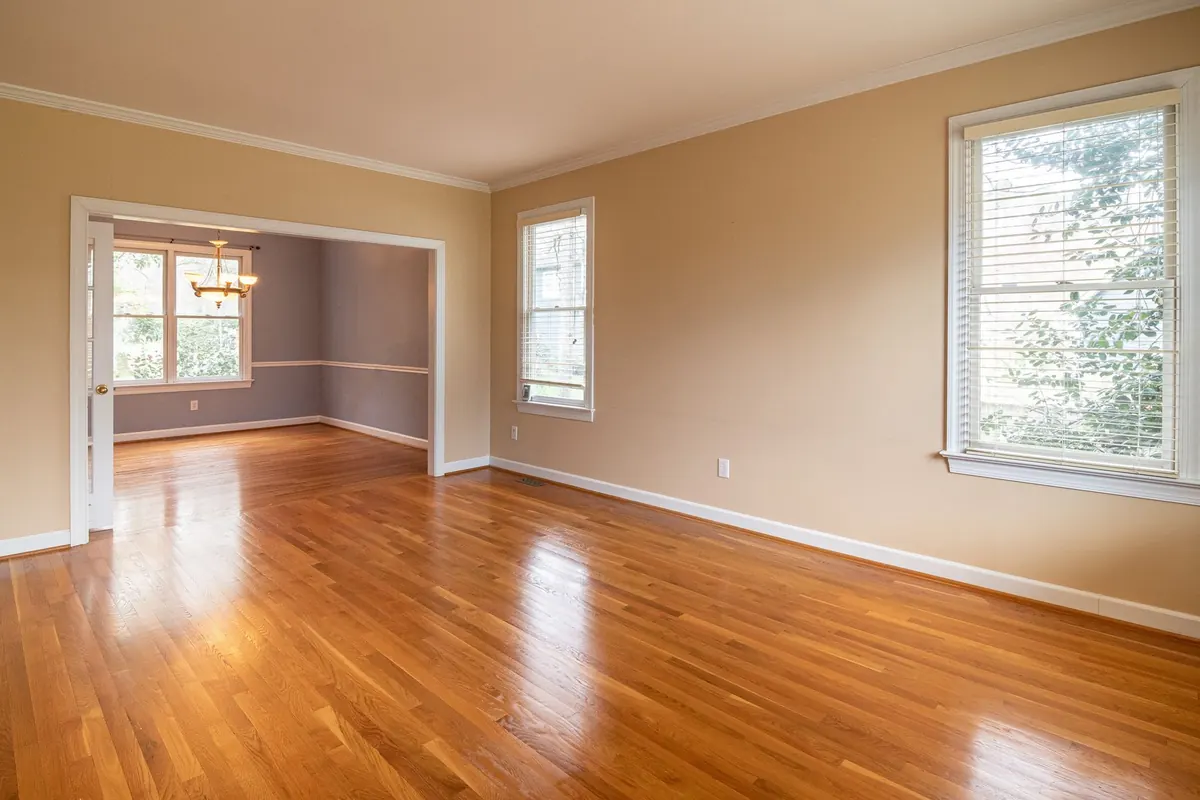
A good open house feels like a pleasant Saturday morning. Fresh flowers on the counter, a bowl of lemons, something warm in the oven. That is precisely the problem. Staging is designed to make you feel at home before you have had a chance to think. Your job is to think anyway, and the most reliable way to do that is to walk in with a list.
What follows is a room-by-room way of looking at a property: what to open, what to run, what to stand still and listen for. It is not a substitute for a professional inspection, and it is not legal advice about what a seller must disclose where you live. It is simply a way to leave an open house with facts instead of a feeling.
Most buyers walk straight in. Walk the perimeter first, even if the agent is holding the door and smiling. Ten minutes outside will tell you where to look more carefully indoors.
Look up at the roofline. Sagging sections, missing shingles, or a patch of tiles in a slightly different colour all suggest repairs were done at some point, and it is fair to ask when and by whom. Check the gutters for rust streaks and, in older houses, for small plants growing out of them. Then look down: soil that slopes toward the foundation, a driveway that drains into the garage, or a visible channel where water has repeatedly run are all worth noting.
Windows matter more than buyers expect. Fogged or milky double glazing means the seal has failed, and replacing a whole house's worth of units is not a small job. Press a fingernail into any exterior wood trim within reach; softness means rot. And stand still for a moment to listen: a busy road, a railway line, a commercial kitchen's extractor fan or a neighbouring dog will all be part of your daily life, and none of them appear in the listing photos.
While you are out there, note the parking situation and where the property boundary appears to run. Shared driveways and unclear fences are the kind of thing that only becomes expensive later.
Step inside and stop in the doorway. Instead of admiring the furniture, look at what you can see from here: which rooms connect, how far the light travels, whether the front door opens into a wall. A house that feels calm usually has clear sightlines and a sensible flow. A house that feels cramped often has neither, and no amount of styling fixes that.
Now look up. Ceiling stains are frequently painted over, so scan with a critical eye and use your phone's torch in daylight. Pay attention to the corners above windows. Then look down at the floors. A slight slope in an old house is common; a floor that feels bouncy underfoot, or that sends a marble rolling decisively toward one wall, deserves a question.
Open and close the interior doors. Sticking doors and uneven gaps can be simple settlement, or they can point to something structural. Either way, ask.
Count the power outlets in each room. Fewer than you need means extension leads everywhere. Two-prong outlets in an older property can mean the wiring has never been updated. Check where the heating vents and radiators sit, too, because they quietly decide where your sofa and bed can go.
Finally, stand still and listen for thirty seconds. Traffic, a humming extractor, a neighbour's television, the lift shaft on the other side of the wall. This is the noise you will hear at eleven o'clock at night.
Staging tells you how a house can look. A checklist tells you how it will live.
Open every cabinet and drawer. Feel the inside of the cabinet under the sink for soft board or old water marks. Pull out a drawer and push it back; good runners glide, tired ones wobble. Check the sealant along the countertop and the join between the sink and the wall. Run the tap and the hot water together to see how pressure holds up, and turn on the extractor fan to hear how loud it is and whether it actually vents outside or simply recirculates.
Then judge the layout honestly: is there enough clear counter space to chop an onion, or is every surface occupied by the kettle and the toaster? A beautiful kitchen with a poor work triangle will annoy you every single day.
Turn the taps on and watch how quickly hot water arrives. Flush the toilet. Look closely at the grout and caulk around the bath and shower; blackened silicone is cheap to fix but often points to long-term damp behind it. Check the ceiling above the shower for bubbling paint or flaking plaster. Look under the basin for staining on the cabinet floor or a bucket-shaped ring in the dust. Press the floor next to the bath with your foot. And test the exhaust fan, if there is one.
Common red flags worth writing down:
In each bedroom, ask a practical question: where does the bed go? A room can look generous when it holds only a single chair. Mentally place a double bed, two nightstands and a wardrobe, and see whether anyone can still walk around it.
Open the closets and measure with your eyes, then with your phone if it matters: hanging depth, shelf height, whether there is a light, whether the door closes properly. Count the storage in the whole house, not just the closets — hall cupboards, under-stair space, a loft, a shed. Storage is the thing buyers most often underestimate and most quickly regret.
Check the windows for draughts and opening mechanism, and look at what is directly outside. A bedroom facing the street, a bin store or a neighbouring balcony is a different proposition from one facing a garden. If the room is listed as a bedroom, ask the agent what local rules require for a room to be described that way — in many places a window and a closet are part of it, but the details vary.
Basements, attics, garages and utility rooms rarely appear in the listing, which is exactly why you should go and look. Find the water heater and read the age sticker. Look for a service tag on the boiler or furnace showing when it was last checked. Open the electrical panel and note whether the breakers are labelled and whether anything looks amateurish.
In the basement, smell the air before you look around. A damp, earthy smell, white powdery deposits on the walls, or a tide mark along the base of the wall are all clues. Check whether there is a sump pump or a floor drain, and whether either looks maintained.
In the attic, look for daylight through the roof, water staining on the rafters, and insulation that is evenly laid rather than patchy or compressed. In the garage, check the door opens and closes smoothly, look at the floor for cracks, and notice whether there is anywhere to store bikes and tools.
Ask the agent the same short list in every house you visit: how old are the roof, the boiler or furnace, the water heater and the windows, and are there recent service records? Write the answers down as you hear them. You will not remember them by the time you have seen three more properties.
Compare your notes within an hour of leaving, while the details are still sharp. Then go back. Drive past on a weekday morning when the street is at its busiest, and again after dark to see the lighting, the parking and how the neighbourhood feels. If the property is still in contention, ask to view it a second time in different weather, and bring someone who will not be charmed by the lemons.
Every serious offer should be based on an inspection by a qualified professional, and any question about what the seller is legally required to disclose belongs with a local lawyer or agent rather than with your instincts. Your checklist is not there to make you suspicious of every house. It is there so that the things you love about a property are things you have actually seen, and the things you will need to fix are things you have already priced in.
Photo: Curtis Adams / Pexels

A simple room-by-room routine that keeps a home tidy in fifteen minutes a day, so weekends stay free for the things...

Renting and buying in a mid-sized Italian city involve very different upfront bills, monthly costs and exit options....
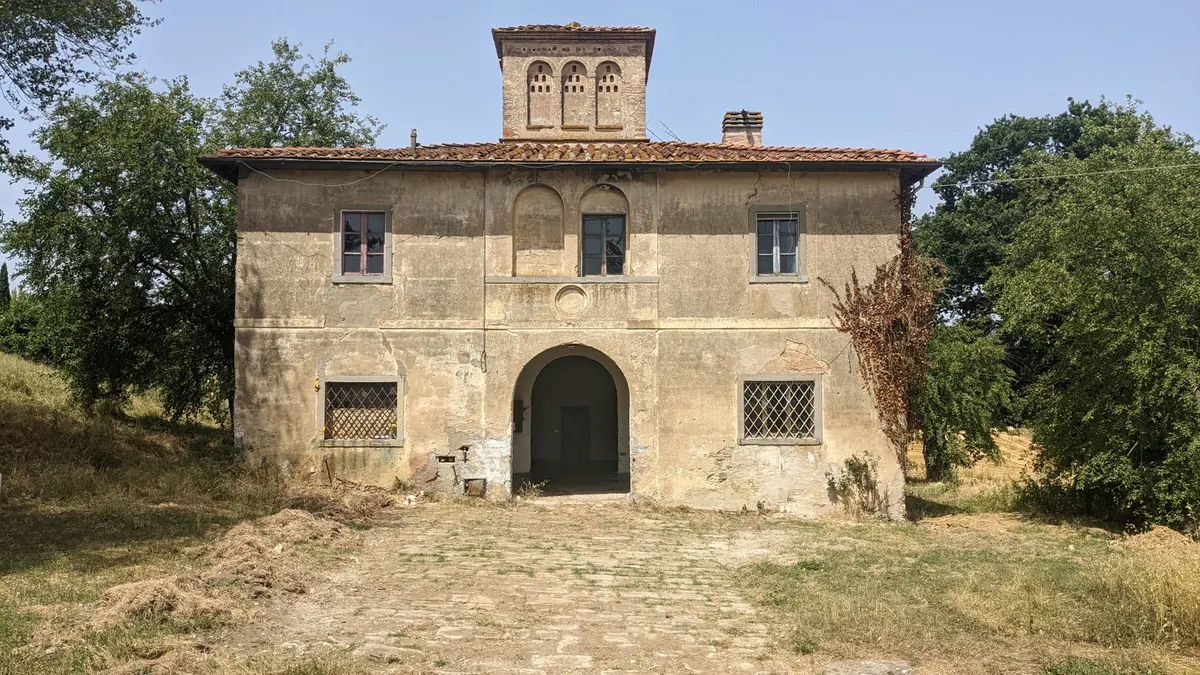
A practical guide to renovating an older Italian home: checking heritage and planning constraints, securing the...

News and insights for your home.
