
A home maintenance checklist usually fails for one of two reasons. Either it is so long that opening it feels like a second job, or it is so vague — "check the roof" — that nothing ever gets crossed off. The version that survives past February is smaller, seasonal, and tied to things you already notice: the filter that needs changing, the gutter that is pulling away from the fascia, the radiator that rattles every October.
What follows is a way to build that version. It spreads inspections and repairs across twelve months, keeps each month's work to an afternoon at most, and leaves room for the surprises every house delivers sooner or later.
Before you schedule anything, do a brain dump. Walk the house room by room, then the outside, and write down every task you can think of, no matter how small. Water heater. Gutters. Dryer vent. The window that sticks. This takes about twenty minutes and it is the only part of the process that should feel sprawling.
Now sort each item into one of three buckets:
Then cut. Anything on a service contract does not belong on your list; the reminder to book it does. Duplicates go too — if you already check the basement for damp every time you do laundry, you do not need a separate line item for it. Most first drafts lose a third of their tasks at this stage, and that is the point.
Rigid dates are a trap. A January reminder to clear gutters is useless if the leaves fell in November and the roof is under snow. What works better is tying each task to a condition you can actually observe.
Gutters go on the list for late autumn, after the leaves drop, and again in early spring. Hose bibs get drained before the first hard frost, whenever that happens where you live. The heating system gets serviced in early autumn, before every technician in town is booked solid. Deck sealing waits for a stretch of dry weather, not for a calendar page.
If you like dates, use them as a prompt rather than a rule: "first weekend of the month" is a fine trigger to open the list and see what the season is asking for.
Grouping tasks by quarter keeps the year legible. You do not have to follow this exactly — the shape matters more than the specifics.
Cold months are for the things you can do in slippers. Change or rinse the furnace filter, test smoke and carbon monoxide detectors, and exercise the shutoff valves under sinks and behind the toilet so they do not seize. Look at the caulk and grout in the bathroom and kitchen. Clear the dryer vent. Pull the fridge out and vacuum the coils. After heavy snow, check the attic and ceilings for ice dams and staining.
Walk the property with a notepad. Clear the gutters and check that downspouts carry water away from the foundation. Look at the roof from the ground with binoculars rather than climbing. Re-caulk around windows and doors where the old bead has cracked. Book the air conditioning service before the first hot week. Check screens, fences, gates and the deck for loose boards or popped nails.
Flush the water heater if your model calls for it, and inspect the hoses behind the washing machine for bulges or cracks — a burst hose is one of the more expensive small failures in a house. Test the garage door's balance and listen for grinding in the rollers. Check attic ventilation. Book the chimney sweep now, before autumn fills the diary. If you have a sump pump, pour a bucket of water in and watch it switch on.
Disconnect and drain garden hoses, shut off and blow out irrigation lines if you have them, and clear the gutters once more. Fit storm windows or check the seals on the ones you have. Test the detectors again. Have the heating system serviced. Check the cords on holiday lights for fraying before you hang them, and keep an eye out for drafts around doors — a ribbon or a lit incense stick will show you where the cold gets in.
A checklist works when finishing it is realistic. Three items per month is a good ceiling, and they should not all be hard ones. A useful mix is:
Keep a separate "someday" list for everything that is real but not urgent. It stops the main list from bloating and it means nothing gets lost when you decide the fence can wait until spring.
The best system is the one within arm's reach. A clipboard inside a kitchen cupboard, a note stuck to the fridge, or a recurring reminder on the first Saturday of the month — any of these beats an elaborate document you have to remember to open.
While you are at it, collect the facts you will need later. Photograph the label on the water heater, the breaker panel with its labels legible, the model number of the furnace, and the size of the filter you buy. Store those photos where you will find them. Next time something fails, you will save yourself a trip to the basement with a torch.
Some jobs are satisfying to do yourself. Others are not worth the risk. Anything involving gas appliances, work inside the electrical panel beyond swapping a light fitting, roofing at height, or a crack in the foundation that seems to be widening belongs with a qualified professional. Local rules on permits and inspections vary, so check before you start anything structural. A short call now is cheaper than an unwound repair later.
Twice a year — say, in April and October — sit down with the list for ten minutes. Cross out what never applies to your home. Add what you have noticed since the last review: a door that has started to stick, a patch of damp on the garage wall, a tap that drips overnight. A checklist that never changes is a checklist that has stopped being read.
The goal is not a perfectly maintained house. It is knowing what needs attention before it becomes a problem, and having a small, honest list that tells you what to do next Saturday morning. That is enough — and it is more than most homes get.
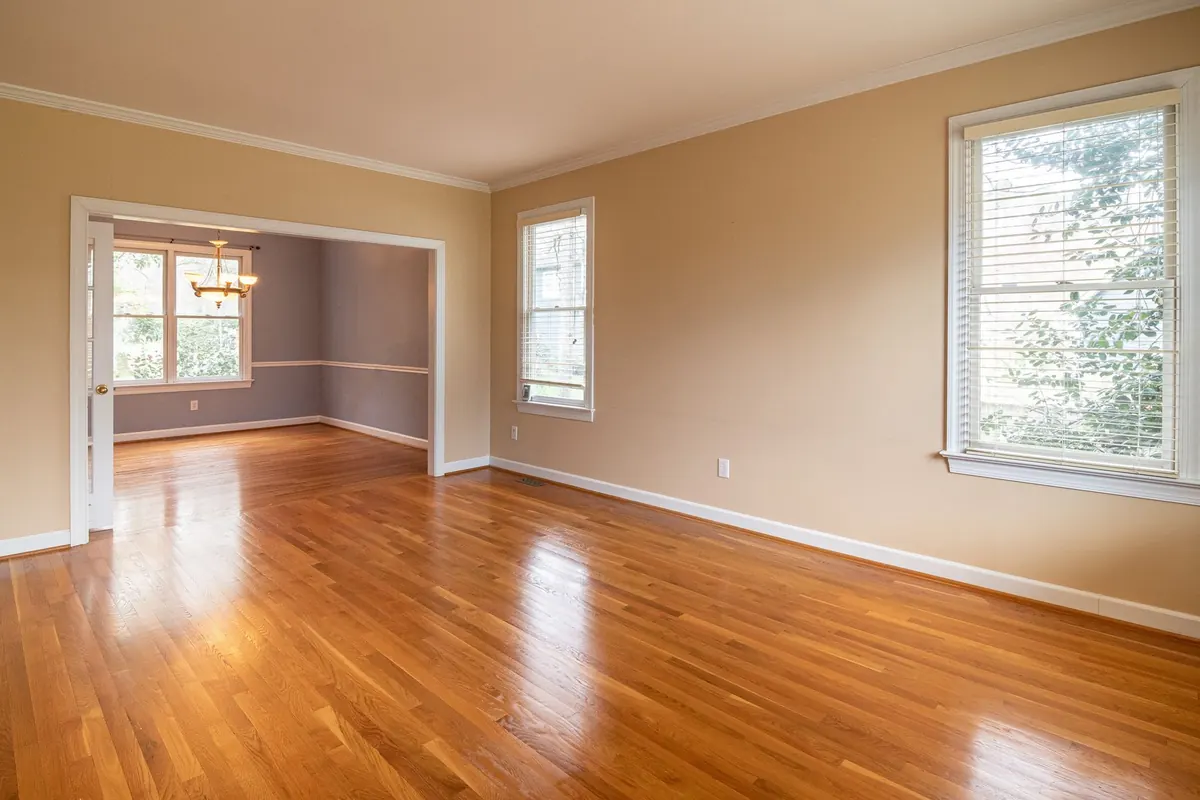
Photo: energepic.com / Pexels
A practical room-by-room walkthrough for open houses, focused on spotting red flags, awkward layouts and maintenance...

A simple room-by-room routine that keeps a home tidy in fifteen minutes a day, so weekends stay free for the things...

Renting and buying in a mid-sized Italian city involve very different upfront bills, monthly costs and exit options....

News and insights for your home.